

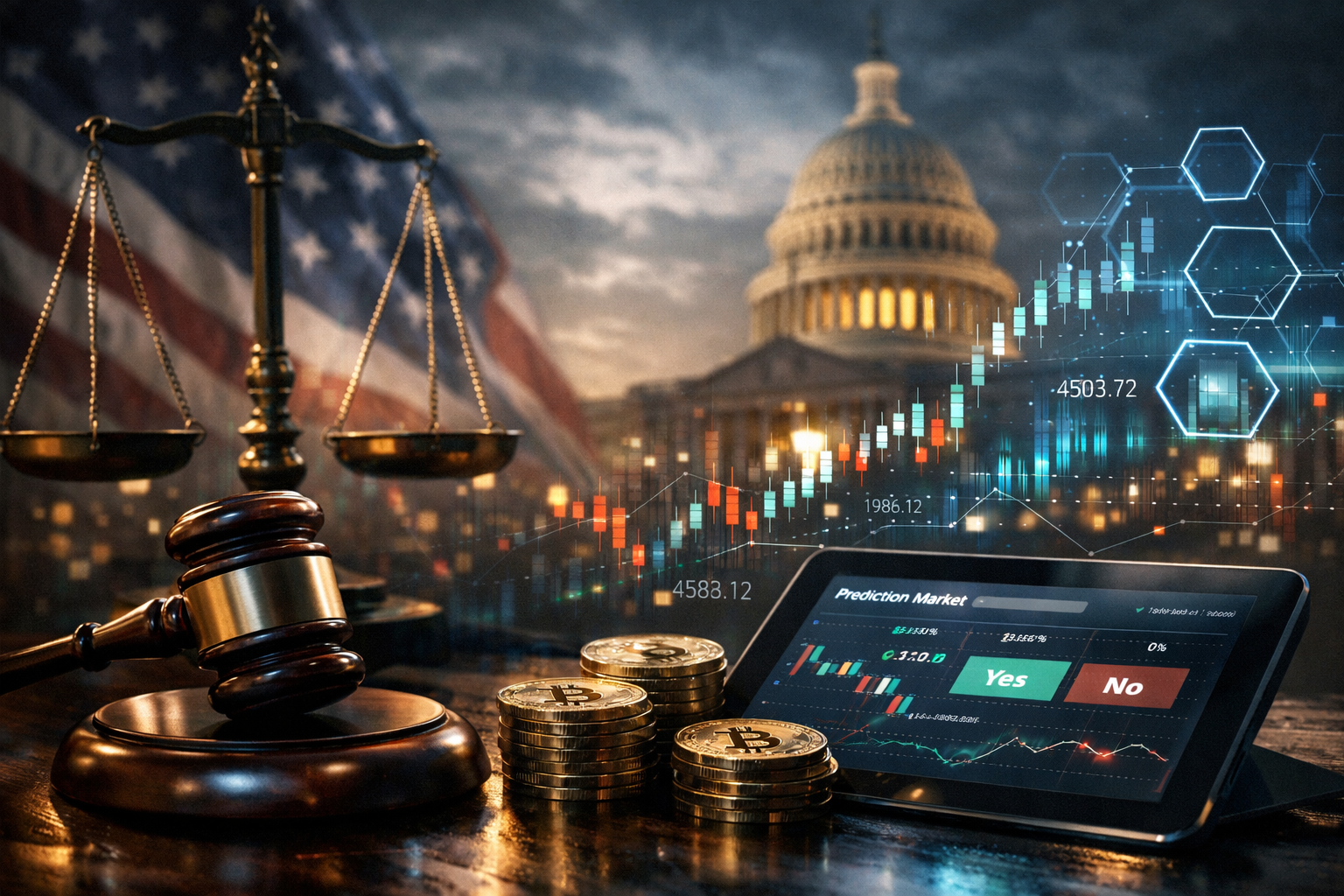

In a pivotal moment for the world of prediction markets, the state of Washington has initiated legal proceedings against Kalshi, a prominent player in the industry. The lawsuit, filed on March 28, 2026, highlights the intensifying scrutiny that state regulators are placing on prediction markets across the nation.
Prediction markets, which allow users to bet on the outcomes of future events, have gained traction in recent years as a means of engaging with politics, sports, and even crypto trends. However, these markets have increasingly come under fire for their regulatory compliance, creating a challenging environment for platforms like Kalshi.
Washington’s lawsuit is emblematic of a broader trend, as various states ramp up their regulatory approaches to prediction markets. As enforcement actions become more common, many industry observers are questioning the future of such platforms, which offer an alternative investment avenue distinct from traditional markets.
Kalshi, co-founded by Tarek Mansour and Daniel Nadler, aims to provide a regulated and transparent marketplace for trading on binary outcomes. The company received approval in 2020 from the Commodity Futures Trading Commission (CFTC), marking a significant milestone for regulated prediction markets. However, the current legal challenges suggest that past approval may not shield the company from ongoing regulatory headwinds.
The implications of this lawsuit extend beyond Kalshi, as it signals that regulators nationwide are taking a closer look at how prediction markets operate. As states like Washington pursue legal actions, the risk of increased regulation could dampen the enthusiasm of investors and users who are drawn to the potential returns these platforms offer.
This legal battle will undoubtedly attract attention from stakeholders across various sectors, including technology, finance, and law. As the landscape for prediction markets becomes increasingly uncertain, many are left wondering how this will affect the burgeoning interest in alternative markets that leverage collective intelligence.
As the court proceedings unfold, Kalshi and other similar platforms will need to navigate a complex regulatory environment that is continuing to evolve. The outcome of this lawsuit could set a significant precedent, shaping how prediction markets operate not only in Washington but across the entire United States.
With the future of prediction markets hanging in the balance, investors and users alike will be watching closely to see how these legal challenges are resolved. For now, the industry awaits further developments as Kalshi defends its operations against Washington’s legal onslaught.

