

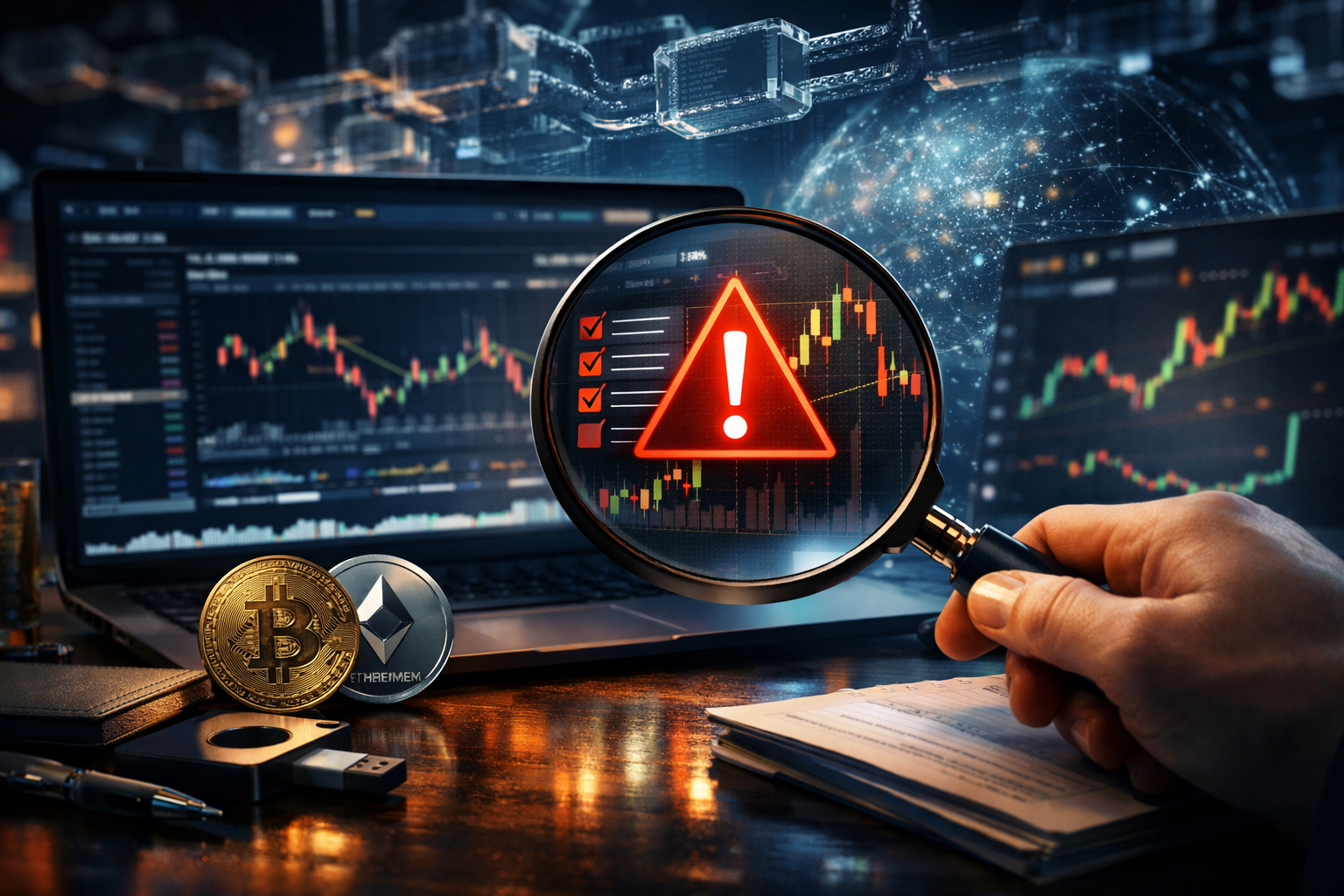

In the rapidly evolving world of cryptocurrency, the importance of choosing a reliable exchanger cannot be overstated. As digital assets gain wider acceptance, the number of platforms offering exchange services has surged, making it increasingly vital for users to know how to differentiate between trustworthy and questionable options.
Firstly, it’s crucial to pay attention to red flags that may indicate an unreliable exchanger. A common warning sign is a lack of transparency. Reliable platforms often provide detailed information about their registration, operational history, and team members. If an exchanger is vague about its identity or fails to provide a physical address, users should approach with caution.
Another significant aspect of verification is user reviews. Before committing to an exchanger, potential users should actively seek out reviews from multiple sources. Negative feedback, especially from verified users, can provide invaluable insights about the service quality, security measures, and overall experience of using the platform. Relying solely on testimonials provided on the exchanger’s website can be misleading, as they may curate only positive reviews.
Security features are non-negotiable in the digital currency space. A trustworthy exchanger will implement robust security protocols such as two-factor authentication (2FA), end-to-end encryption, and regular audits. Before engaging with an exchanger, it’s wise to verify that they adopt these measures, demonstrating their commitment to safeguarding users’ funds and data.
It’s also beneficial to check the regulatory standing of an exchanger. Many regions have regulatory bodies that oversee financial services, including cryptocurrency exchanges. A properly regulated exchanger will typically display its registration details prominently on their website. This not only offers a layer of accountability but also grants users recourse in the event of disputes.
In addition, examining the liquidity of an exchanger can provide further assurance of its reliability. High liquidity means that a platform has sufficient funds available for transactions, which can affect the ease of buying and selling cryptocurrencies. Platforms that struggle with liquidity might be unable to process your transactions in a timely manner, leading to potential frustrations.
Furthermore, newcomers to crypto might learn from seasoned traders’ experiences. Engaging in forums, chat groups, or social media platforms dedicated to cryptocurrency discussions can yield firsthand accounts that are instrumental in understanding the reputation of different exchangers. Social proof, in the form of community sentiment, plays a significant role in the decision-making process.
In conclusion, the verification of cryptocurrency exchangers is an essential practice for anyone looking to delve into the world of digital assets. By remaining vigilant and informed about red flags, seeking out comprehensive reviews, and ensuring that a platform operates within the legal frameworks, users can navigate the cryptocurrency exchange landscape more safely and effectively.

