

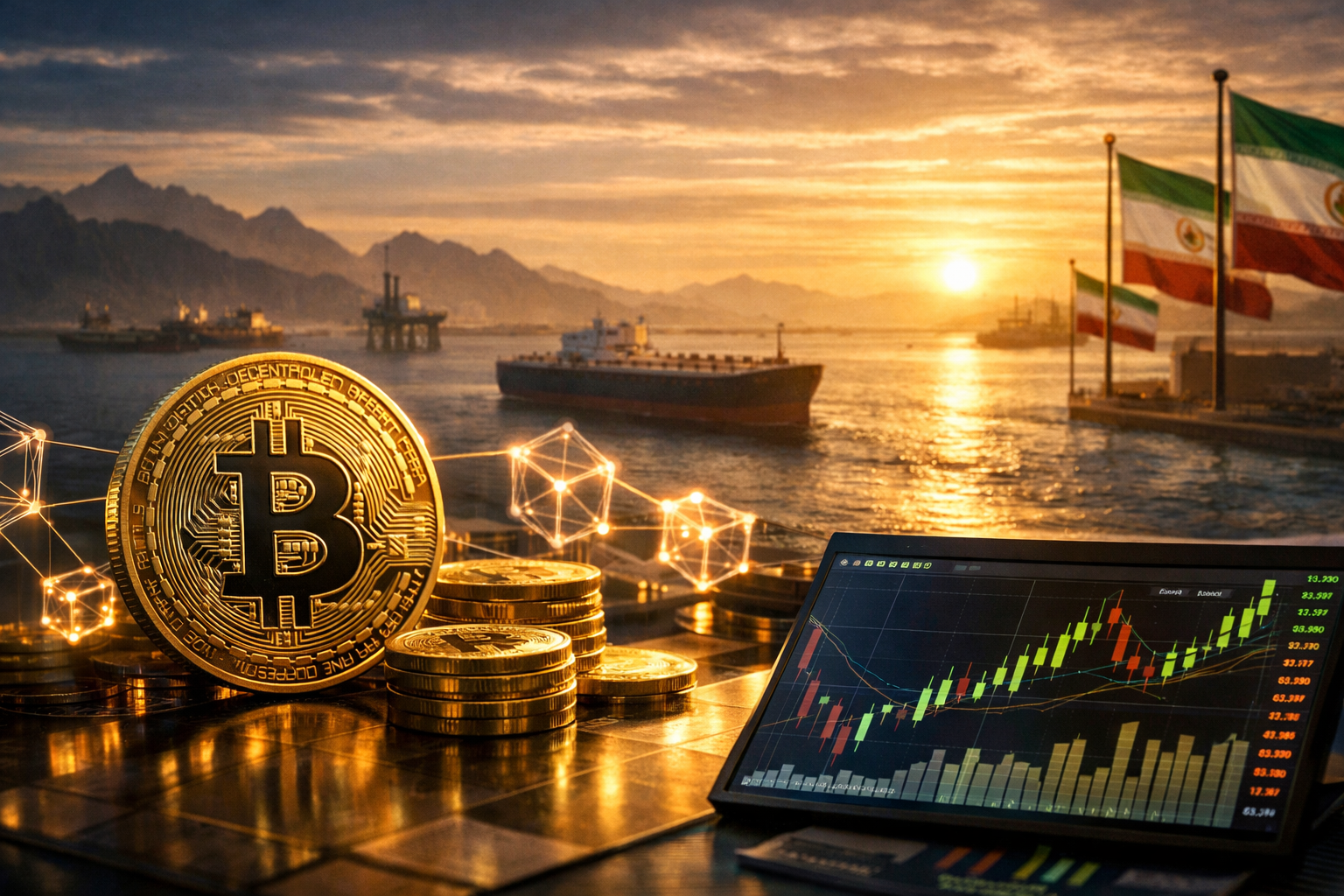

In a significant turn of events, Bitcoin has experienced a notable surge in value, driven primarily by the recent peace deal involving Iran, which has sparked optimism in the markets. The agreement is set to facilitate the reopening of the Strait of Hormuz, one of the world’s most vital maritime routes for oil transportation, thereby stabilizing global oil supply and reducing geopolitical risks.
As of June 15, 2026, Bitcoin’s price has seen a robust increase, reflecting investor confidence in the aftermath of the peace deal. The cryptocurrency, a favorite among traders seeking refuge during times of uncertainty, has consistently demonstrated its volatility but also its resilience. This latest uptick could signal a broader trend as investors react positively to improved geopolitical stability.
The Strait of Hormuz is particularly significant, as it accounts for approximately 20% of the world’s oil trade. The reopening of this strategic waterway is expected to alleviate the supply chain disruptions that have plagued markets in recent months. With oil prices stabilizing, traditional markets are seeing a ripple effect, further bolstering the appeal of Bitcoin and other cryptocurrencies as alternative investment vehicles.
Analysts are closely monitoring the situation, noting that Bitcoin’s correlation with geopolitical events has become increasingly pronounced. The cryptocurrency’s ability to thrive amidst global uncertainty has positioned it as a parallel asset class that investors are keen to explore. With each announcement of diplomatic progress, Bitcoin tends to react favorably, indicating that the digital asset is becoming a staple in the portfolios of both retail and institutional investors.
This latest development comes on the heels of a series of market fluctuations earlier this year, where Bitcoin faced downward pressures due to regulatory concerns and macroeconomic factors. However, the recent news from Iran has provided a much-needed catalyst for growth. Traders and investors alike are now assessing their positions, with many opting to increase their Bitcoin holdings in anticipation of further upward momentum.
In the broader context, the easing of tensions in the Middle East aligns with a growing trend in the cryptocurrency market, where Bitcoin is increasingly viewed as a hedge against traditional market volatility. The digital currency’s decentralized nature appeals to those looking for alternatives to fiat currencies, especially in regions where economic stability is uncertain.
As the situation evolves, investors are advised to stay informed and consider the implications of geopolitical changes on their investment strategies. With Bitcoin’s price action closely tied to macroeconomic and political developments, the future looks promising for the cryptocurrency, provided that the peace deal holds and global markets stabilize.
The coming weeks will be critical as traders navigate this new landscape, and Bitcoin’s performance will undoubtedly be a focal point for both seasoned investors and newcomers to the crypto space.

