

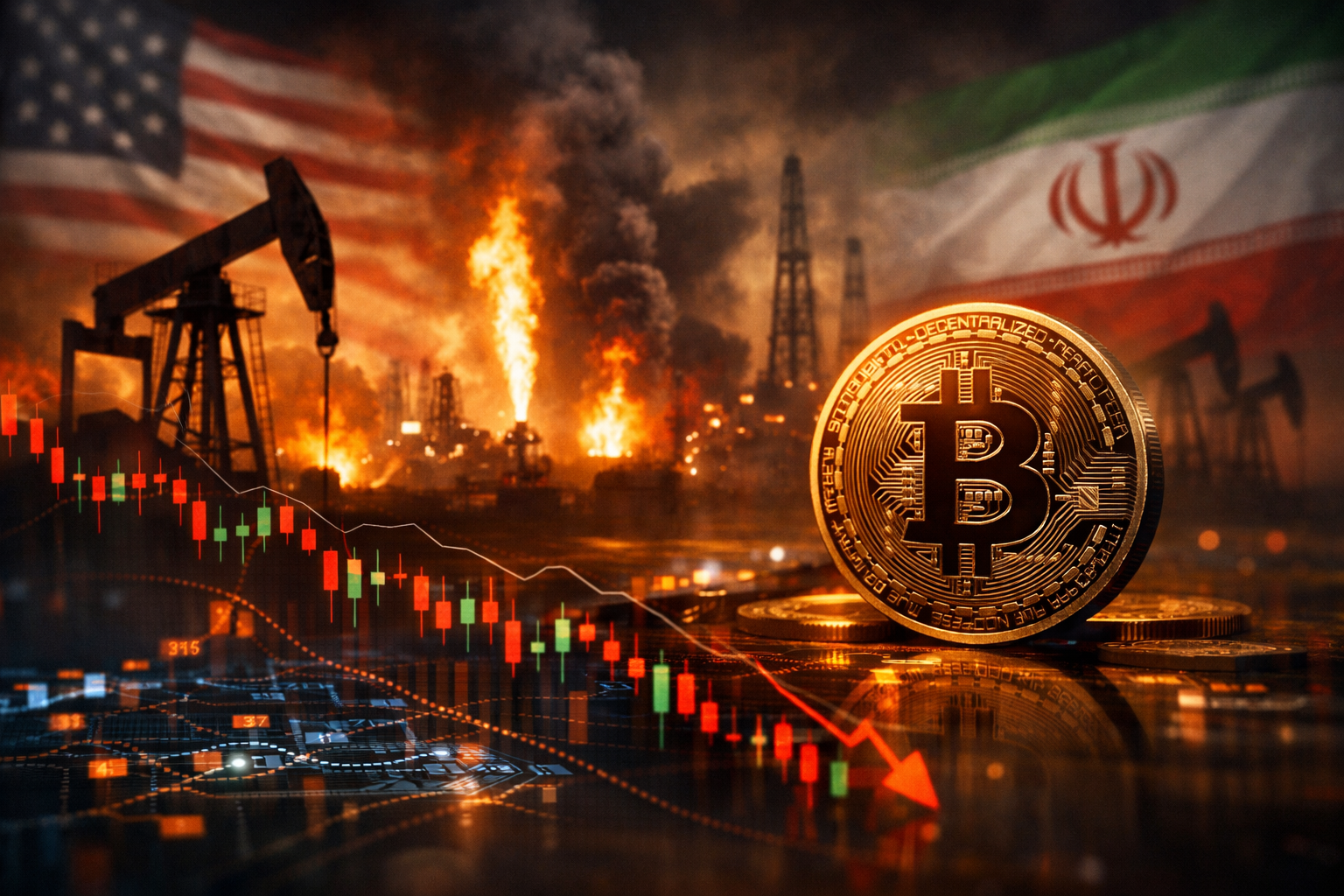

As we delve into July 2026, Bitcoin finds itself under considerable pressure, influenced by escalating geopolitical tensions between the United States and Iran. This situation has not only affected traditional markets but has also cast a shadow over the cryptocurrency landscape, with Bitcoin reacting to the volatility of global oil prices.
The latest developments in U.S.-Iran relations have led to a spike in oil prices, stirring concerns among investors. The ongoing conflict has caused crude oil prices to soar, prompting market analysts to speculate on the potential ripple effects across various asset classes, including cryptocurrencies. Bitcoin, often viewed as a hedge against inflation and economic instability, appears to be losing some of its luster in the face of these external pressures.
Investors are increasingly wary as they navigate the uncertain waters of geopolitical risk. With the price of Bitcoin fluctuating, many analysts are closely monitoring how the digital asset will respond in the coming weeks. Recent data reflects a correlation between rising oil prices and Bitcoin’s performance, suggesting that as energy costs climb, so too does the volatility of the cryptocurrency market.
While Bitcoin has been a resilient player in the financial landscape, the current scenario poses questions regarding its safe-haven status. Traditionally, investors have turned to Bitcoin during times of economic uncertainty; however, the current geopolitical climate raises concerns about its reliability as a store of value. The intertwined nature of global markets means that any shifts in energy prices can have a direct impact on Bitcoin’s valuation.
Market experts are advising caution, highlighting the importance of diversifying portfolios amid such geopolitical unrest. The uncertainty surrounding oil prices and broader market implications could lead to increased volatility in Bitcoin and other cryptocurrencies. As investors look for stability, many are reevaluating their positions in light of the potential for further escalation in U.S.-Iran relations.
In addition to geopolitical factors, regulatory scrutiny continues to loom over the cryptocurrency market. With governments around the world increasingly focused on establishing clearer frameworks for digital assets, Bitcoin’s future may also be affected by legislative developments. The interplay between regulation and market sentiment could further influence Bitcoin’s trajectory in the short term.
As we move forward, the crypto community will be watching closely to see how Bitcoin navigates these turbulent waters. The coming weeks will likely provide critical insights into whether Bitcoin can maintain its position in the face of rising oil prices and geopolitical tensions or if it will succumb to the pressures of the market. For now, investors remain on high alert, prepared to adapt to the ever-changing landscape of the cryptocurrency market.

