

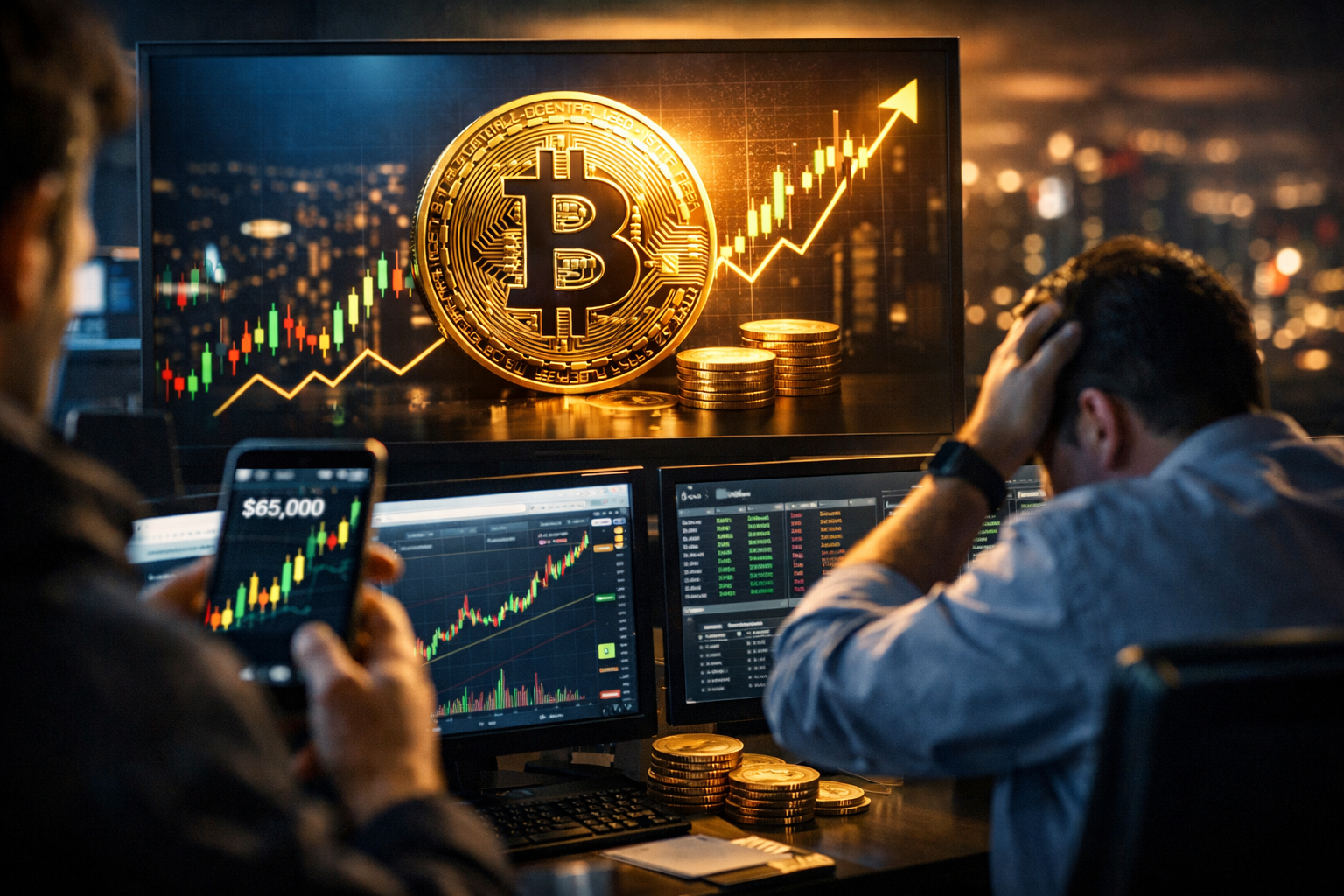

In a notable market reaction to rising inflation rates in the United States, Bitcoin has surged to nearly $65,000, prompting two distinct groups of investors to capitalize on the uptick. This recent price movement has sparked debates among traders about the sustainability of Bitcoin’s rally amidst economic uncertainties.
The first group comprises long-term holders, often referred to as ‘HODLers,’ who have been patiently waiting for a significant price increase. With inflationary pressures impacting traditional markets, many in this camp view Bitcoin as a hedge against eroding purchasing power. As the value of the cryptocurrency approaches new heights, these investors are seizing the opportunity to realize gains after a prolonged period of accumulation.
Conversely, the second group consists of short-term traders who have capitalized on the volatility of the cryptocurrency market. This group tends to be more reactive, often leveraging technical analysis and market sentiment to make swift trading decisions. As Bitcoin’s price climbed, these traders executed sell orders to lock in profits, contributing to the overall market dynamics and adding to the volatility.
Market analysts have noted that the interplay between these two groups has led to a unique trading environment. The selling pressure from short-term traders has been offset by the buying interest from long-term investors, creating a tug-of-war that keeps the market engaged.
Inflation rates in the U.S. have been on the rise, reaching levels not seen in years. This economic backdrop is fueling interest in Bitcoin as an alternative asset class. As traditional assets struggle to maintain value, Bitcoin is increasingly being viewed as a digital gold, a safe haven in an uncertain economic landscape.
Investors remain divided on the future trajectory of Bitcoin. Some analysts predict that the current price surge could be the beginning of a bullish trend, while others caution that market corrections could be imminent. The sentiment on social media platforms remains a mixed bag, with some enthusiasts expressing optimism about Bitcoin’s potential to breach new all-time highs.
As the situation evolves, all eyes will be on the Federal Reserve’s next moves regarding interest rates and economic policy. Any hints of tightening or continued support could significantly impact the cryptocurrency market, influencing investor behavior and Bitcoin’s price trajectory.
In conclusion, as Bitcoin nears the $65,000 mark, the actions of both long-term holders and short-term traders will play a crucial role in shaping the market’s future. Whether this price surge is sustainable remains to be seen, but one thing is clear: Bitcoin is at the forefront of discussions about inflation and alternative investments in today’s economic climate.

