

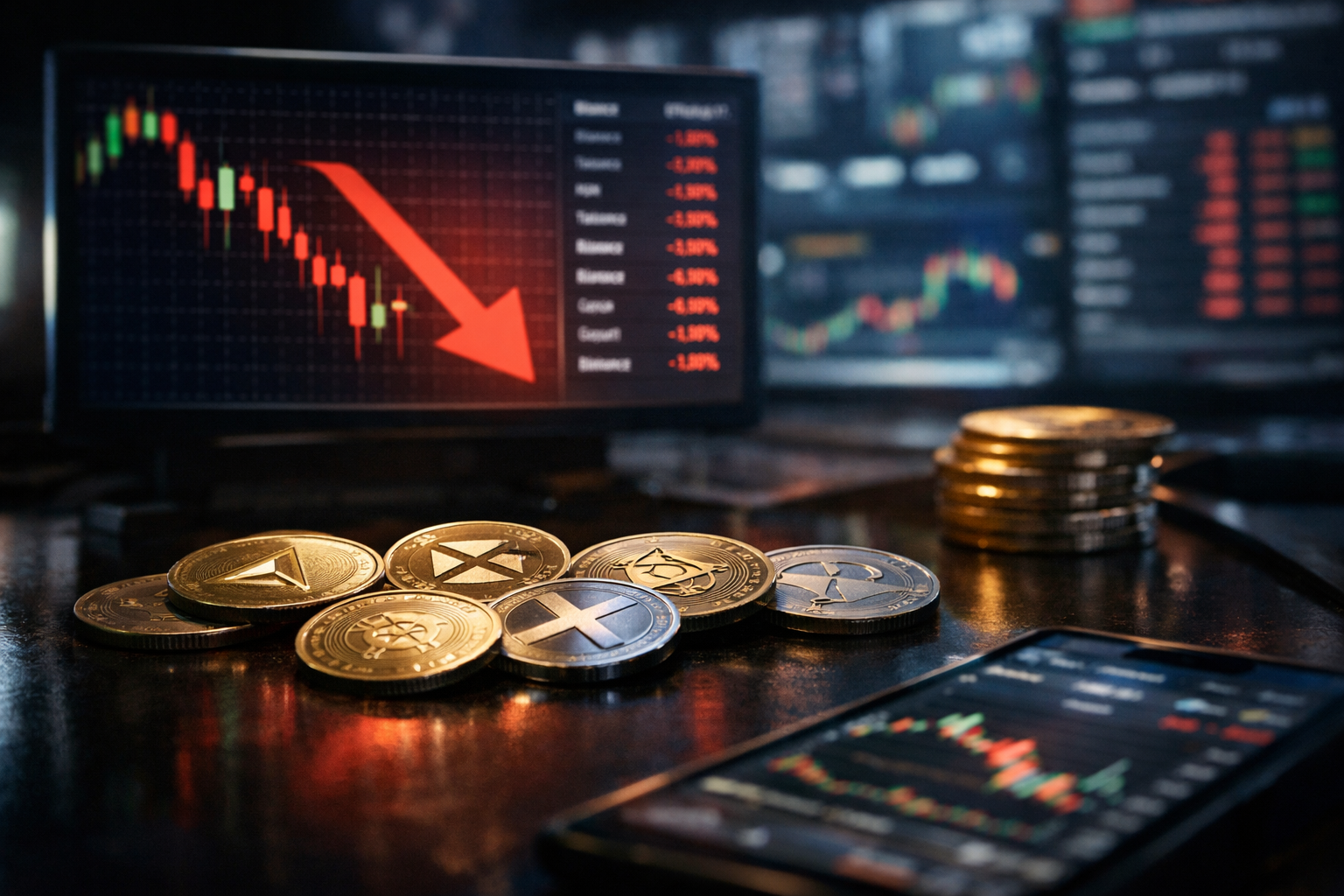

In a recent announcement, Binance, one of the largest cryptocurrency exchanges globally, revealed plans to delist six tokens from its trading platform, effective August 17, 2026. This decision is part of the exchange’s ongoing efforts to streamline its offerings and ensure compliance with regulatory standards.
The tokens slated for removal include several lesser-known cryptocurrencies that have struggled to gain traction in the competitive market. While Binance did not specify the exact reasons for the delisting, such actions are typically linked to low trading volumes, lack of development activity, or regulatory concerns.
For investors holding these tokens, this announcement serves as a crucial reminder of the volatile nature of the cryptocurrency market. Traders are urged to review their positions and consider the implications of this delisting on their investment strategies. The tokens affected are likely to see significant price fluctuations in the lead-up to the delisting date, as investors react to the news.
Binance has consistently emphasized its commitment to maintaining a secure and efficient trading environment for its users. By removing tokens that do not meet its stringent standards, the exchange aims to enhance the overall quality of assets available for trading.
This move comes amid a broader trend within the cryptocurrency industry, where exchanges are increasingly taking measures to ensure compliance with evolving regulations. As regulatory scrutiny intensifies across various jurisdictions, exchanges like Binance are adapting their offerings to align with legal requirements.
Investors are encouraged to stay informed and monitor updates from Binance regarding this and other potential changes to its platform. The crypto landscape is continually evolving, and being proactive can help traders navigate these developments successfully.
As the August 17 deadline approaches, the focus will be on how these delistings affect not just the tokens in question but also the overall market sentiment. Analysts suggest that while such moves can create short-term volatility, they may ultimately contribute to a healthier and more robust cryptocurrency ecosystem in the long run.

