

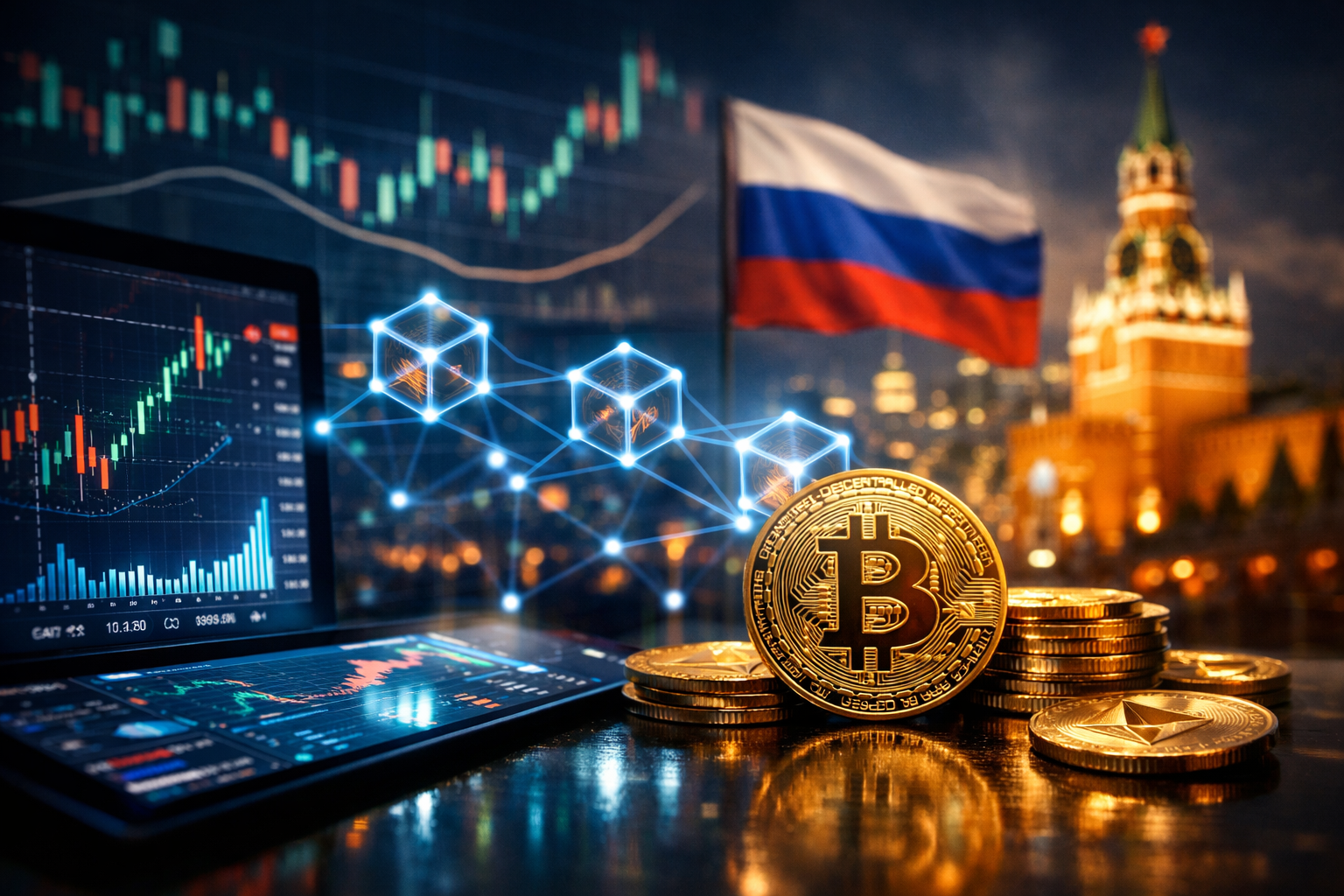

In a landmark move for the Russian cryptocurrency landscape, President Vladimir Putin has signed a law that paves the way for regulated crypto trading within the country. This legislation, which was made official on August 6, 2026, signifies a crucial evolution in Russia’s approach to digital assets, aiming to establish a legal framework that could attract both domestic and international investors.
The new law is designed to create a safer environment for cryptocurrency transactions, addressing concerns over security and regulatory compliance. It lays out the groundwork for exchanges and other platforms to operate under a structured regulatory environment, ensuring that they adhere to established financial laws. This development aligns with global trends as countries increasingly recognize the importance of regulation in the burgeoning crypto market.
Putin’s endorsement of this law reflects a growing acknowledgment of cryptocurrency’s potential in diversifying the Russian economy. As the nation continues to grapple with economic sanctions and geopolitical tensions, the introduction of regulated crypto trading could serve as a strategic tool for economic resilience. It opens the doors for institutional investors who have been waiting for regulatory clarity before entering the market.
The implications of this law extend beyond mere trading. Experts believe it could foster innovation within the blockchain sector, encouraging startups and established companies alike to explore new business models and applications of this technology. By promoting a regulated framework, the Russian government aims to mitigate risks associated with digital currencies, such as fraud and market manipulation, which have been significant deterrents for investors.
Furthermore, the law outlines provisions for taxation and reporting, ensuring that cryptocurrency gains are subject to relevant tax obligations. This is a critical step in legitimizing the digital asset market and integrating it into the broader financial system. The government’s move could potentially boost tax revenues while providing a clear pathway for investors to navigate the complexities of the crypto space.
As the global cryptocurrency market continues to mature, Russia’s shift towards regulation may influence other nations contemplating similar frameworks. The balance between fostering innovation and ensuring consumer protection is a challenge many countries face, and Russia’s approach could serve as a case study in how to harmonize these interests.
In conclusion, President Putin’s signing of this law marks a pivotal moment for the Russian crypto ecosystem. By embracing regulated trading, Russia is positioning itself as a player in the global cryptocurrency arena, potentially unlocking new economic opportunities while safeguarding its citizens. As the details of the implementation unfold, the eyes of the crypto community will be keenly watching how this new legislation changes the dynamics of the market in Russia and beyond.

