

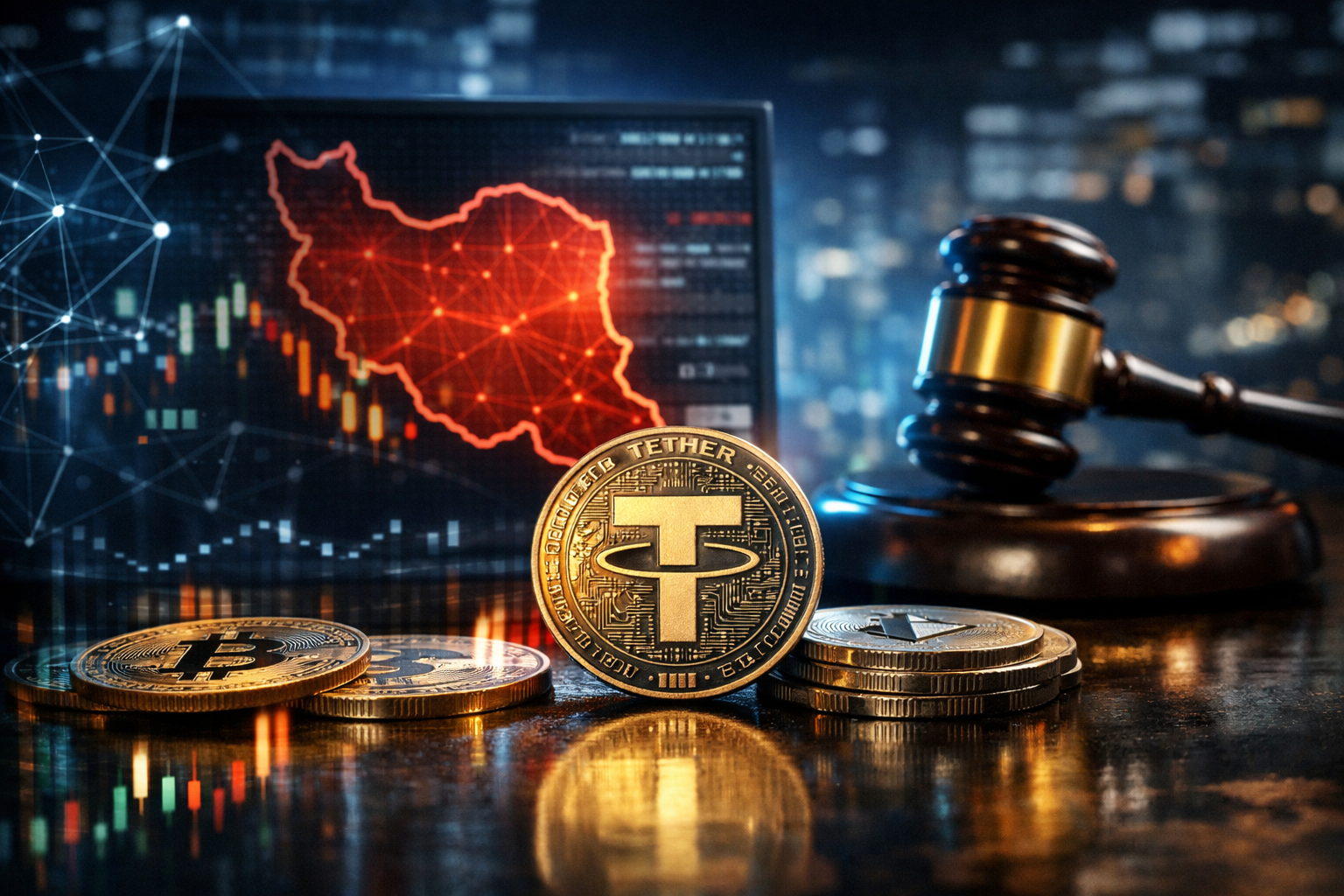

In the ever-evolving landscape of cryptocurrency, Tether, the leading stablecoin issuer, finds itself at the center of a political investigation. Recently, a U.S. senator has raised concerns regarding Tether’s operations, particularly its ties to Iran. However, amid the scrutiny, Tether has made notable strides in reducing its transaction volumes in the country, reflecting its commitment to regulatory compliance.
The investigation, which highlights potential nefarious activities associated with cryptocurrency usage, seems to overlook the positive changes Tether has implemented. In the past year, the company has focused on enhancing its transparency and establishing more rigorous compliance measures. These efforts have resulted in a significant decrease in the volume of transactions linked to Iran, contradicting the narrative of unchecked operations.
Since the onset of this scrutiny, Tether has taken proactive measures to align with international regulations. By collaborating with financial authorities and adopting stricter know-your-customer (KYC) protocols, the company aims to foster a safer and more compliant environment for its users. This commitment is not only essential for Tether’s reputation but also crucial for the broader cryptocurrency ecosystem, which is often maligned for its association with illicit activities.
Data from industry analysts indicates that Tether’s volume in Iran has plummeted, suggesting that the company’s efforts are bearing fruit. The stablecoin has become increasingly vigilant in monitoring transactions and ensuring that they adhere to legal frameworks. This approach not only helps in mitigating risks but also enhances trust among users and regulators alike.
While the senator’s investigation may aim to spotlight potential issues, it is essential to recognize the positive direction in which Tether is heading. The company’s focus on compliance and transparency is a step forward for the cryptocurrency industry, which has often been criticized for its lack of oversight. By addressing these concerns head-on, Tether is setting a precedent for other digital asset issuers to follow.
As the cryptocurrency market continues to evolve, the importance of compliance will only grow. Tether’s recent developments serve as a reminder that within the realm of digital currencies, there are players committed to integrity and ethical practices. While investigations may bring challenges, they also provide an opportunity for companies like Tether to showcase their dedication to responsible operations.
In conclusion, as Tether navigates through this political landscape, the company’s efforts to reduce its Iranian transaction volumes highlight its proactive stance on compliance. As cryptocurrencies become more integrated into the global financial system, it is vital that industry leaders prioritize transparency and adhere to regulations. Tether’s journey serves as an example of how positive change can emerge from scrutiny, ultimately benefiting the entire cryptocurrency community.

