

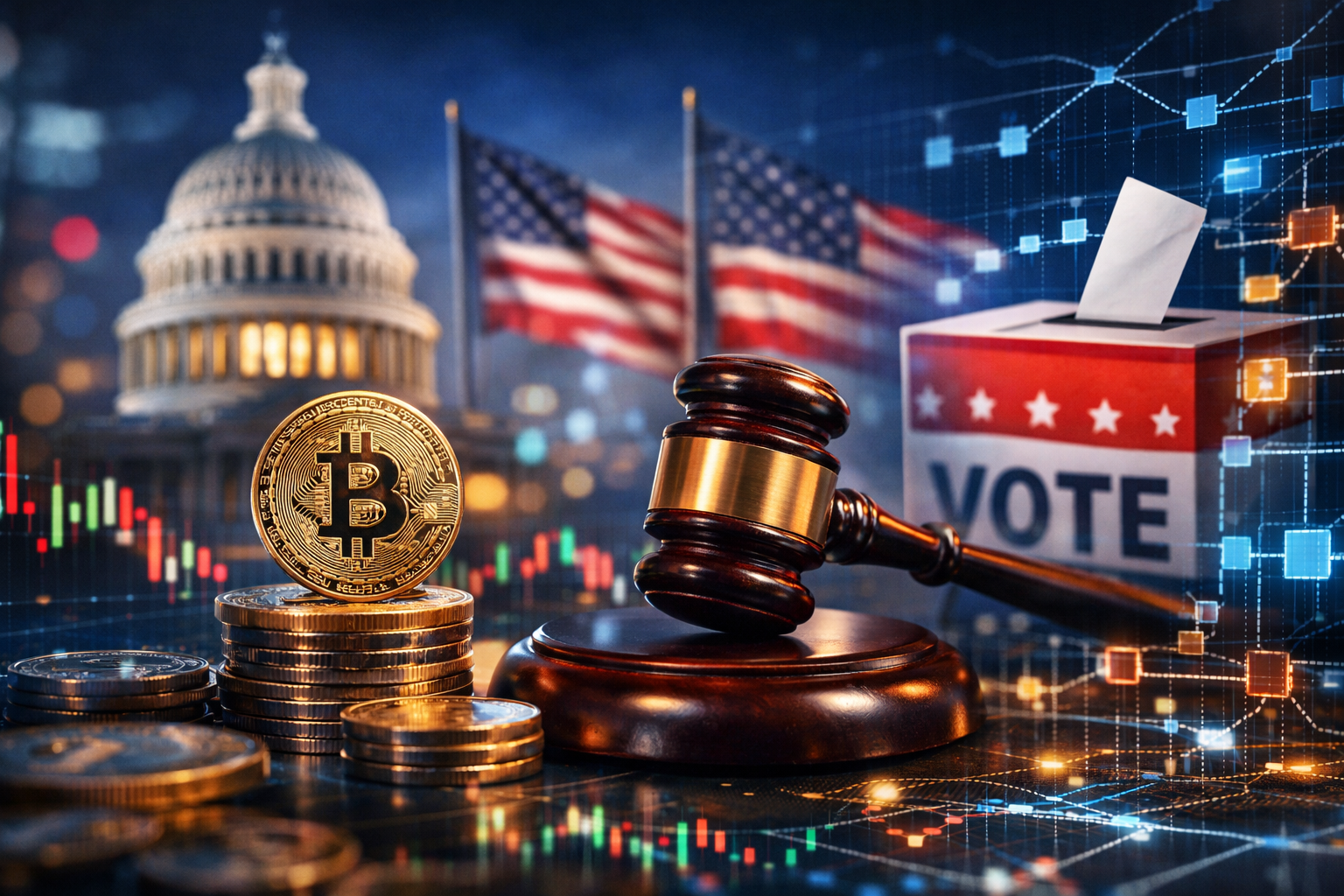

As the 2026 U.S. elections draw near, the cryptocurrency sector is increasingly making headlines. However, the buzz surrounding crypto is less about its potential to revolutionize finance and more about the scrutiny it faces from politicians and the media. This shift in focus highlights the growing influence of the crypto industry in shaping political narratives, albeit often in a critical light.
In recent months, prominent figures from various political parties have taken to social media and traditional platforms to express their concerns about the influence of cryptocurrencies on the electoral process. The narrative often revolves around the fear that crypto could be used to circumvent traditional financial regulations, leading to a lack of transparency in campaign financing. Such concerns have led to calls for more stringent regulations and oversight of the crypto sector.
The increasing political attention on cryptocurrencies suggests that they are no longer a niche interest but have entered mainstream political discourse. Candidates are now considering their stance on crypto as a crucial part of their platforms. This shift may be due to the rising popularity of digital assets among voters, particularly younger demographics, who see the technology as a way to challenge the status quo.
However, the relationship between crypto and politics is fraught with tension. While some candidates embrace the technology, others leverage public skepticism to galvanize support. For instance, during recent debates, several politicians have made jabs at their opponents’ ties to the crypto industry, framing it as a potential threat to democratic integrity. This tactic not only aims to discredit rivals but also serves to raise awareness about the complexities of crypto regulation.
Additionally, the ongoing discussions around the regulatory landscape are set to intensify as Election Day approaches. Lawmakers are under increasing pressure to propose clear guidelines that balance innovation with consumer protection. The potential for new legislation affecting the crypto industry could significantly impact market dynamics and investor sentiment.
Despite the negative framing in some political discourse, the crypto community remains hopeful that the technology will ultimately find its place in a regulated environment. Advocates argue that proper regulation can enhance consumer trust and pave the way for broader adoption. They contend that rather than stifling innovation, a thoughtful regulatory approach could unlock the full potential of blockchain technology.
As we move closer to the elections, it will be crucial for both crypto advocates and policymakers to engage in constructive dialogue. The future of cryptocurrencies in the U.S. will not only depend on regulatory clarity but also on how effectively the industry can counteract the negative narratives being spun in political arenas.
In conclusion, while crypto’s presence in the upcoming elections is undeniably significant, it serves as a reminder of the complexities and challenges that come with emerging technologies in a political landscape. As candidates navigate these waters, the outcome may very well influence the trajectory of the crypto industry in the years to come.

