

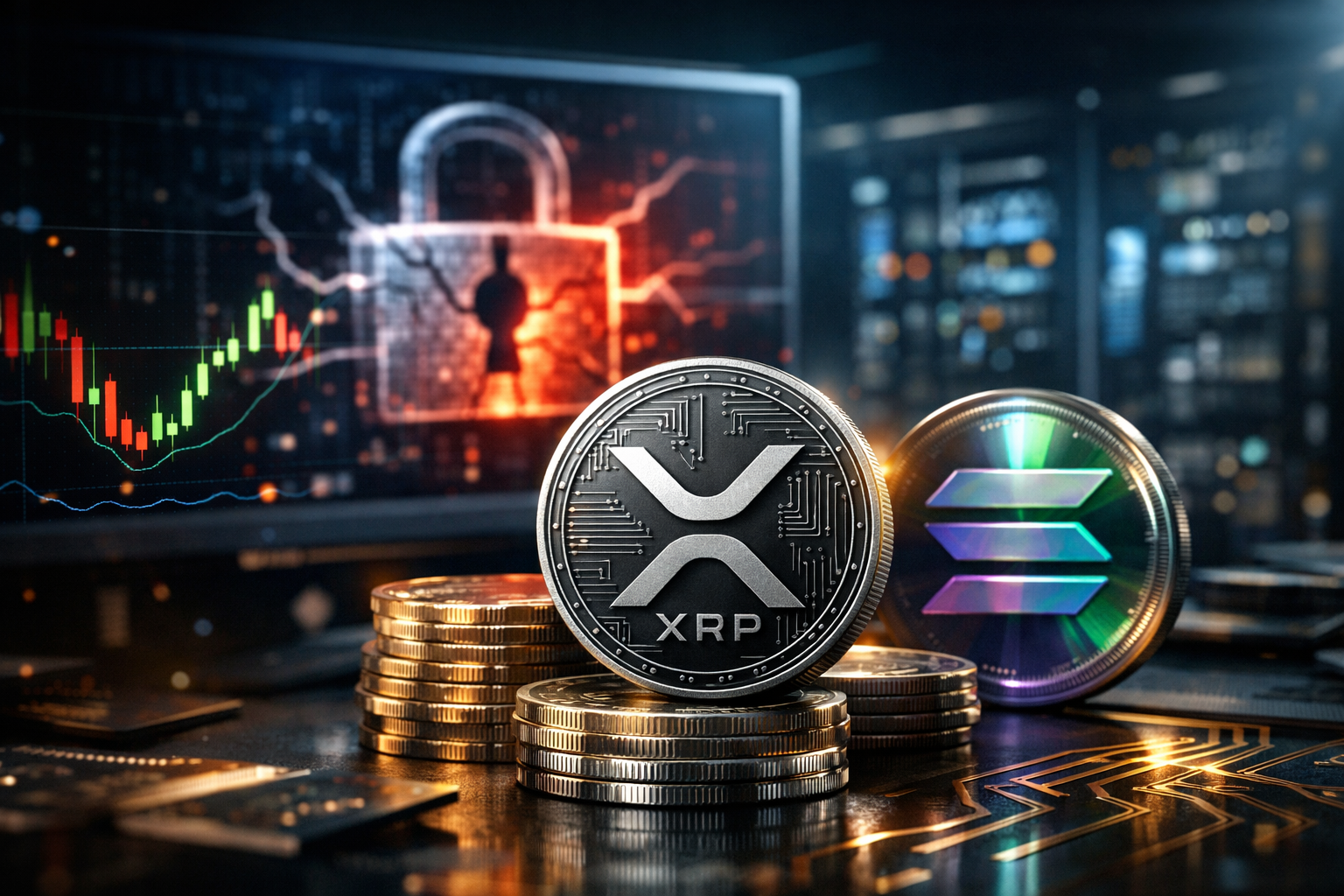

In a remarkable turn of events, Ripple CEO Brad Garlinghouse has announced that the demand for XRP is on the rise, coinciding with the recent launch of wrapped XRP (wXRP) on the Solana blockchain. This innovative integration is seen as a pivotal moment for XRP, which has gained substantial utility and ecosystem access.
The wXRP launch was a collaborative effort among the Solana Foundation, LayerZero, and Hex Trust, facilitating a connection between the XRP Ledger and Solana’s decentralized finance (DeFi) ecosystem through cross-chain bridge technology.
Backed 1:1 by XRP, wXRP allows holders to leverage their XRP holdings in various DeFi applications, including lending and trading, without selling their assets. The asset has already been made available on several platforms, including Phantom Wallet, Jupiter Exchange, and Meteora, marking a significant shift in how XRP is utilized.
Historically regarded as a payment and settlement token, XRP is now emerging as a form of collateral within DeFi networks. Evernorth CEO Asheesh Birla affirmed that XRP is evolving from just a means of value transfer to becoming a critical component in yield-generating financial systems.
Record ETF Growth
Further highlighting the expanding interest in XRP, exchange-traded products (ETPs) linked to the token have surpassed $1.08 billion in total net assets. This surge in assets underscores growing attention from both institutional and retail investors, reflecting ongoing optimism about XRP’s future.
With steady inflows into ETFs coupled with its expansion into cross-chain functionalities, XRP is tightening liquidity across the market, demonstrating the token’s increasing versatility.
Security Concerns Arise
Despite the excitement surrounding the launch, not all reactions have been positive. An XRP Ledger validator, known as VET, raised alarms shortly after the wXRP rollout. He cautioned investors about the structural risks associated with issued assets and intermediaries, especially in light of the recent $292 million KelpDAO hack.
VET stated, “With the KelpDAO exploit via LayerZero, issued assets carry REAL counterparty risk! Be aware of the potential dangers!”
In this incident, hackers minted 116,500 rsETH tokens, using them as collateral on lending platforms, including Aave v3, before obscuring their trail through Tornado Cash. The aftermath led KelpDAO to suspend rsETH contracts on its mainnet and related networks while conducting a thorough investigation.
KelpDAO is collaborating with LayerZero, Unichain, and security experts to analyze the breach and its implications.
VET reiterated, “wXRP is an issued asset; it does not hold the same level of security as native XRP held in self-custody from a risk perspective. Always know what you hold!”
In response to the KelpDAO incident, Flare has also opted to temporarily halt FXRP bridging along Ethereum and Base networks, listing user safety as a priority while the investigation unfolds.
This decision serves as a precautionary measure during a period of heightened scrutiny over security in the crypto trading landscape. As the blockchain industry continues to develop, navigating the balance between innovation and security remains crucial.

