

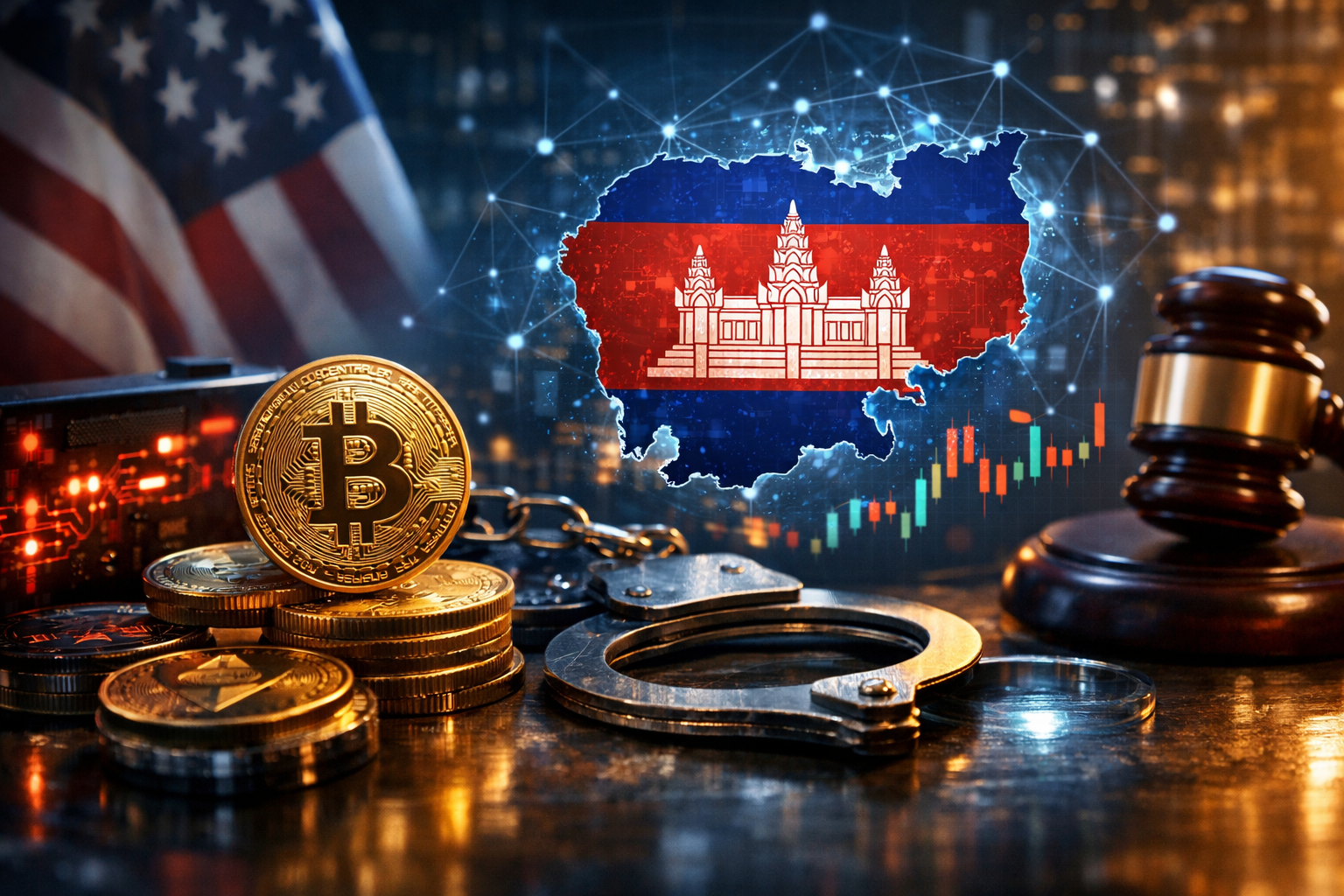

In a noteworthy development in the world of cryptocurrency regulation, the U.S. government has imposed sanctions on Cambodian senator Kok An for his alleged involvement in a vast crypto scam network. This decision, announced on April 24, 2026, reflects the growing concern of international authorities regarding fraudulent schemes emerging in the crypto space.
Senator Kok An, who reportedly has deep-rooted connections within Cambodia’s political landscape, has been implicated in orchestrating a network that defrauded investors through deceptive cryptocurrency investments. The U.S. Treasury Department’s Office of Foreign Assets Control (OFAC) specified that Kok An and his associates facilitated a variety of schemes that misled individuals seeking to profit from the burgeoning cryptocurrency market.
The sanctions freeze any assets that Kok An may hold within U.S. jurisdiction, thereby cutting off potential financial resources for continued illicit activities. The OFAC’s actions signal a robust stance on safeguarding investors and fortifying the integrity of the financial system against fraudulent enterprises.
As the cryptocurrency industry continues to mature, regulatory bodies are increasingly compelled to respond actively to fraudulent practices. The U.S. government’s move to sanction Kok An follows similar actions taken against other individuals and entities involved in scams that leverage the anonymity of blockchain technology.
Notably, this incident has broader implications for Cambodia’s reputation in the global financial community. Crypto enthusiasts are wary of engaging in markets perceived as unregulated or corrupt, which could deter legitimate investment opportunities in the region. Furthermore, it raises questions about the efficacy of local regulators in managing and monitoring the rapidly evolving cryptocurrency landscape.
As scrutiny surrounding the integration of cryptocurrency within governmental frameworks intensifies, stakeholders, including investors, policymakers, and innovators, must remain vigilant. The case of Kok An serves as a crucial reminder of the importance of regulatory compliance and ethical conduct in cryptocurrency operations. Allegations of scams not only undermine investor confidence but also hinder the potential growth and legitimacy of digital currencies.
Moving forward, industry leaders will need to advocate for stronger regulatory frameworks that foster innovation while simultaneously protecting consumers from malicious actors. The balance between encouraging growth and ensuring security will be key as the crypto landscape evolves.
In conclusion, the sanctions against Senator Kok An are a significant step in the U.S.’s broader strategy to combat cryptocurrency-related fraud. This situation underscores the importance of regulatory vigilance and international collaboration in tackling the challenges presented by the rapidly changing dynamics of digital currencies.

