

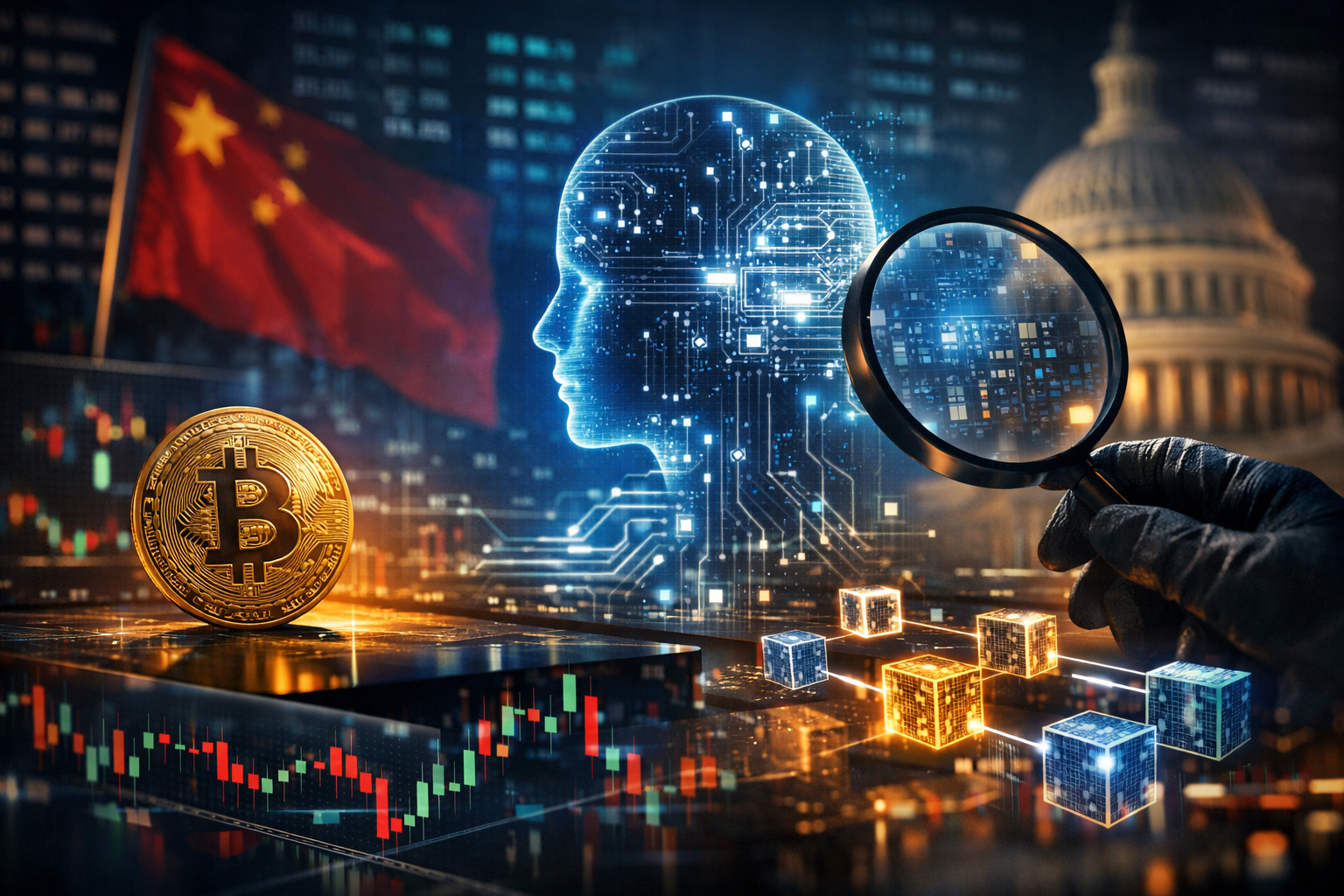

The growing tensions between the United States and China are increasingly spilling into the artificial intelligence (AI) sector, with U.S. authorities ramping up scrutiny of Chinese-linked firms accused of stealing proprietary models. This development, announced on April 24, 2026, marks a significant escalation in the ongoing battle over technological supremacy between the two nations.
The probe primarily focuses on several Chinese companies believed to be colluding with state-sponsored entities to pilfer vital AI technology from American competitors. The U.S. government has cited concerns that the acquisition of these proprietary models not only undermines fair competition but may also bolster national security threats.
Several prominent AI firms in the U.S. have reported instances where their models have been replicated without authorization, prompting the U.S. Department of Justice to begin investigations. This move comes amid broader concerns that technologies pivotal to the future of computing and AI could be weaponized against American interests globally.
In recent months, there have been notable cases brought to light involving high-profile AI systems. Companies specializing in neural networks and machine learning have alleged that their algorithms were copied and adapted without their permission. Such actions could jeopardize the innovative edge the U.S. maintains in AI development, a sector projected to shape the future of numerous industries, including finance, healthcare, and logistics.
Experts have warned that the ramifications of these allegations could extend beyond immediate legal implications. The crypto industry, which heavily relies on cutting-edge AI technologies for various applications, including trading algorithms and fraud detection mechanisms, may also suffer consequences. Investors and companies alike are watching closely as this situation unfolds.
The Washington administration’s focus on intellectual property theft mirrors its overarching strategy to recalibrate relationships in a rapidly changing global landscape. With AI increasingly integral to technological advancement, safeguarding these innovations is paramount for maintaining economic competiveness.
While tensions rise, Chinese firms are defending their practices, denying any allegations of wrongdoing, and arguing that the technologies in question are the result of independent research and development. This dichotomy underscores a broader narrative of mistrust and rivalry that continues to shape international relations.
As U.S. authorities continue their investigations, the tech world is left pondering the implications for future developments in AI and blockchain technologies. The outcome of these scrutiny measures could have lasting effects on not just U.S.-China relations but also the global technological landscape as a whole.

