

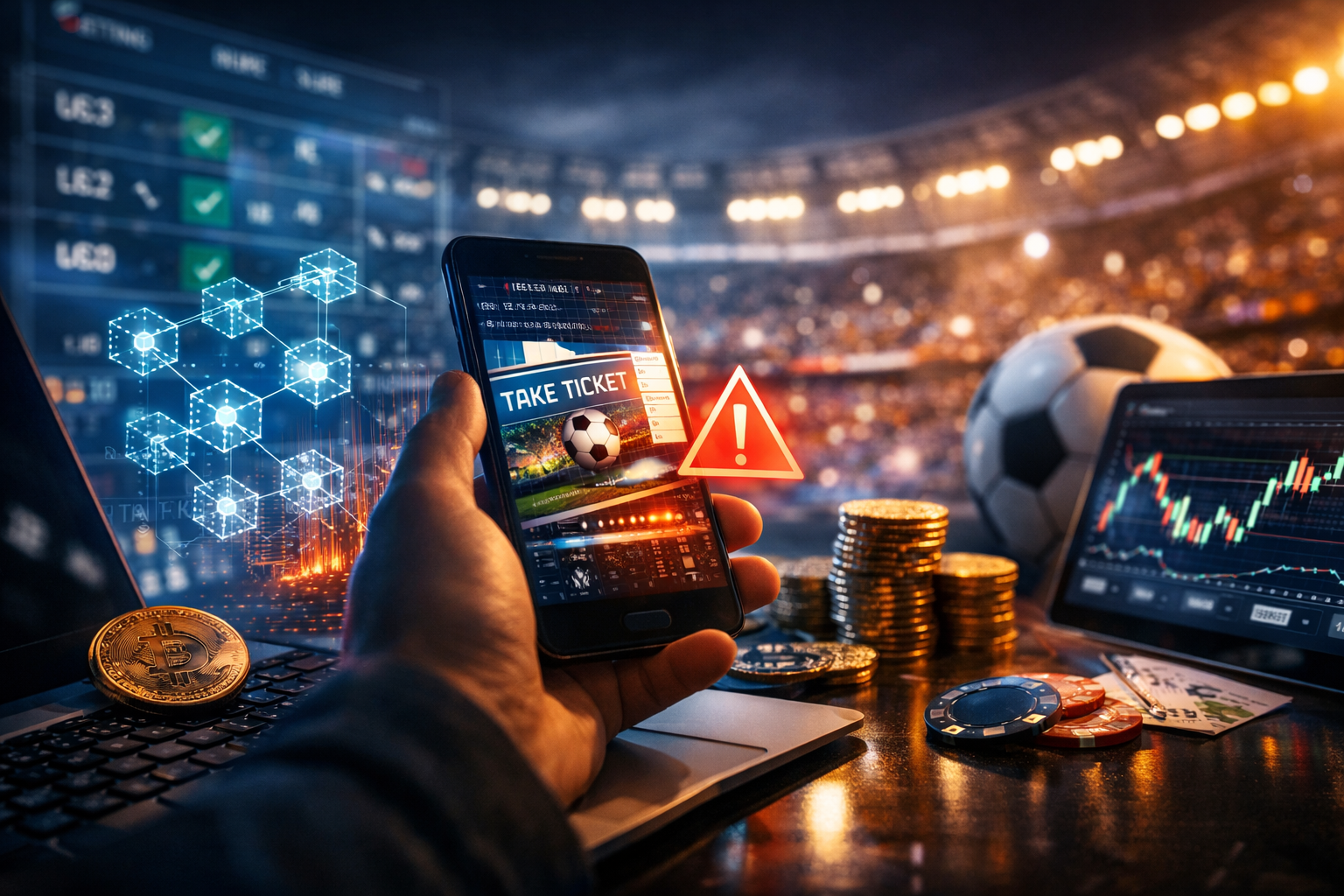

With the 2026 World Cup on the horizon, TRM Labs has issued a cautionary alert regarding a rise in cryptocurrency scams aimed at football fans. The firm has identified early-stage schemes involving fraudulent ticketing portals, betting scams, and speculative fan tokens that are beginning to surface as excitement builds for the tournament.
In a report released on June 11, TRM Labs noted the discovery of four crypto addresses associated with three active operations targeting unsuspecting fans. Although the amounts received thus far are relatively modest—totaling less than $1,700—the firm emphasizes that this activity represents the groundwork for potential scams rather than a fully developed campaign.
Deceptive Ticketing and Betting Schemes
The most pressing concern revolves around fake ticket sales. TRM Labs describes a series of phishing-style checkout pages that lure users into making payments through crypto channels controlled by scammers. These deceptive sites often mimic legitimate event portals, directing payments to addresses linked to fraudulent processors.
Specifically, one address associated with a Polygon ticket scam reportedly received $1,562 primarily on April 1, 2026. This relatively small figure indicates that the scams are still in the testing phase, which is crucial information as sports-related fraud can escalate rapidly as major events approach and fan interest surges.
In addition to ticketing fraud, TRM highlighted the emergence of fixed-match betting schemes, where scammers solicit upfront crypto payments in exchange for supposed insider information or guaranteed outcomes. Funds from these operations might be funneled into custodial accounts on crypto exchanges, making detection more challenging.
A Cautionary Note on Speculative Tokens
The report also raised alarms about speculative tokens, including a $WORLDCUP token listed on LBank. TRM warns that such tokens lack any official affiliation with FIFA and carry inherent risks of pump-and-dump schemes.
This pattern is not new; significant cultural events often attract tokens leveraging branding and fan enthusiasm without any official backing. While some tokens may be innocuous, others are designed to ensnare retail investors once initial promoters have exited.
For users, the takeaway is clear: event-themed tokens should not be assumed to be legitimate simply because they reference a major tournament, team, or slogan. Verifying official affiliations through recognized channels is essential.
Scammers Utilize Cross-Chain Tools
TRM also noted that scammers are employing cross-chain swaps and custodial exchanges in their operations. For example, the report illustrates a transfer pathway from Polygon to Tron, complicating the tracing efforts for casual observers.
More broadly, TRM highlighted that scammers have moved an astonishing $1.9 billion through cross-chain bridges to obscure their activities. In 2025 alone, around $35 billion was allegedly funneled to wallets linked to fraudulent activity, contributing to a staggering total of $158 billion in illicit crypto transactions recorded that year.
While these larger figures are not directly tied to World Cup-related scams, they underscore the importance of vigilance against small-scale operations that share infrastructure and tactics with larger fraud networks.
Understanding the Significance of the Warning
Although the 2026 World Cup is still some time away, the intersection of crypto with sports is becoming increasingly visible through sponsorships, betting markets, and token speculation. This creates a broad landscape for scammers to exploit.
Fake ticket sales cater to enthusiastic fans, fixed-betting schemes target gamblers, and event-themed tokens appeal to speculative traders seeking the next big opportunity.
TRM’s warning serves as a timely reminder that while World Cup-related crypto scams have not yet reached a fever pitch, early indicators are present. Users are advised to exercise heightened caution regarding crypto payment requests linked to tickets, betting advice, and unofficial fan tokens as the tournament hype continues to escalate.

