

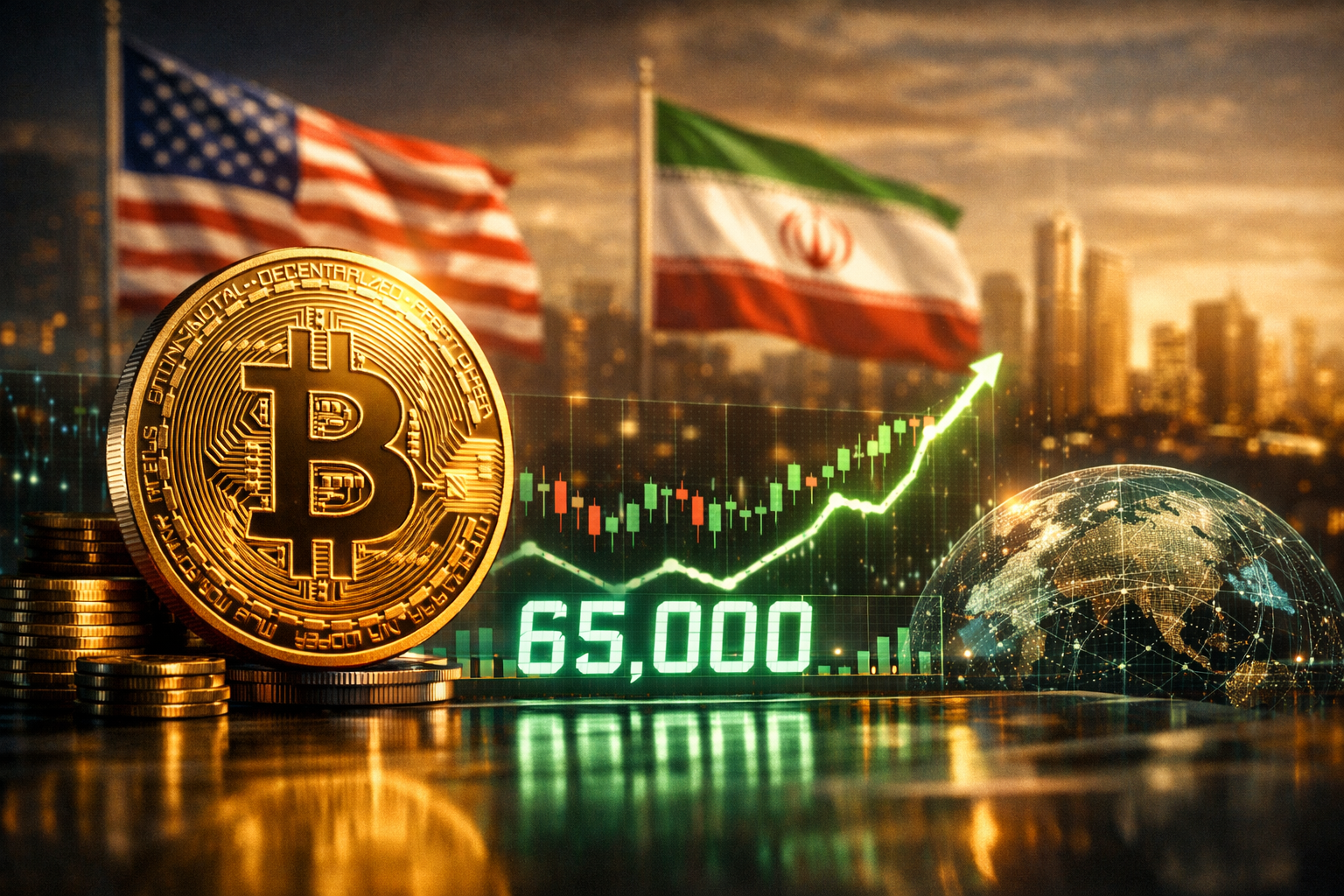

In a remarkable turn of events, Bitcoin has surged past $65,000, buoyed by a recent peace agreement between the United States and Iran. The announcement on June 15, 2026, has not only sparked optimism in traditional markets but has also invigorated the cryptocurrency landscape.
The peace deal, aimed at easing decades of tension between the two nations, has prompted a wave of positive sentiment among investors. As geopolitical uncertainties diminish, market participants are increasingly looking towards riskier assets, including cryptocurrencies. Bitcoin, the flagship of the crypto market, has become a primary beneficiary of this newfound optimism.
Following the announcement, Bitcoin’s price climbed significantly, crossing the psychological barrier of $65,000. This increase marks a critical milestone for the cryptocurrency, which has experienced substantial volatility over the past year. Analysts attribute this latest price movement to a combination of factors, including increased institutional adoption and a general resurgence in market confidence.
Many experts believe that the implications of the U.S.-Iran peace deal extend beyond immediate market reactions. As geopolitical tensions ease, there is potential for increased foreign investments in various sectors, including technology and finance. This could lead to further institutional interest in cryptocurrencies, particularly Bitcoin, as a hedge against inflation and economic instability.
In addition to the immediate price surge, Bitcoin’s rise above $65,000 has reignited discussions surrounding its long-term trajectory. Some analysts predict that this could be the beginning of a new bullish phase for the leading cryptocurrency, while others urge caution, pointing to historical patterns of volatility.
The broader cryptocurrency market has also reacted positively to the news, with altcoins experiencing gains alongside Bitcoin. Ethereum, the second-largest cryptocurrency by market capitalization, has seen a notable uptick in its price as investor interest expands beyond Bitcoin.
Moreover, social media platforms have been abuzz with discussions about the potential for cryptocurrencies to play a pivotal role in a more stable economic environment. Proponents argue that the decentralized nature of digital currencies makes them an attractive alternative to traditional fiat currencies, especially in times of geopolitical strife.
As the world watches the developments following the U.S.-Iran peace deal, the cryptocurrency market remains on high alert. Investors are keenly observing how these geopolitical changes will influence not only Bitcoin’s trajectory but also the broader financial landscape.
With Bitcoin now firmly above $65,000, traders and enthusiasts alike are left to ponder whether this surge is a fleeting moment of exuberance or a sign of a more sustained upward trend in the months to come. Only time will tell as the market continues to navigate the complexities of global finance.

