

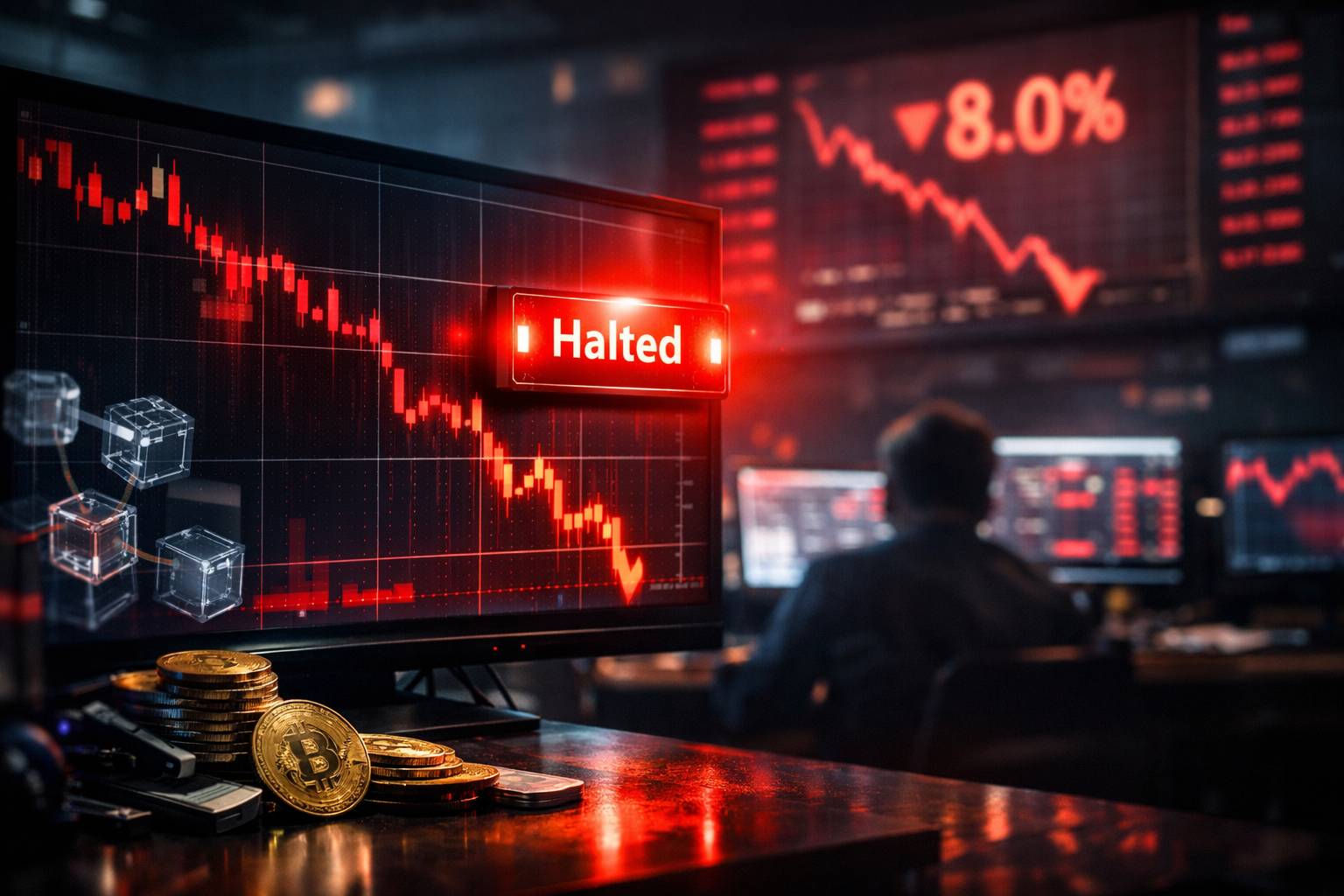

In a startling turn of events, the KOSPI index experienced a dramatic plunge of 8% on July 28, 2026, prompting authorities to suspend trading in a bid to restore order amidst escalating market volatility.
The sharp decline reflects growing concerns among investors regarding economic stability, with many pointing to external factors contributing to the downturn. Analysts speculate that geopolitical tensions and fluctuating global markets have created an environment of uncertainty, prompting a sell-off in South Korean equities.
This unprecedented drop marks one of the most significant disruptions in recent memory, as the KOSPI index grapples with the implications of a turbulent global economic landscape. The exchange’s decision to halt trading underscores the seriousness of the situation, allowing investors a moment to reassess their strategies in light of the rapidly changing market conditions.
Market sentiment has turned increasingly bearish, with fears of a broader economic downturn compelling investors to retreat from equities. The halt in trading serves as a critical pause, giving stakeholders time to digest the implications of the market’s abrupt shift.
Experts suggest that the KOSPI’s volatility may also be influenced by movements in the cryptocurrency market, which has seen its own share of fluctuations. As digital assets continue to gain traction among investors, the interconnectedness of traditional and crypto markets becomes increasingly evident.
As trading resumes, market participants will be closely monitoring the KOSPI for signs of recovery or further declines. The coming days may prove critical as investors reassess their positions and the underlying factors that led to this drastic market response.
With South Korea’s economy closely tied to global trends, the effects of the KOSPI’s performance will extend beyond its borders, impacting international investors and potentially influencing global market dynamics.
In conclusion, the abrupt trading halt on the KOSPI serves as a stark reminder of the volatility that can characterize financial markets, both traditional and digital. Investors are urged to stay informed and exercise caution as they navigate this unpredictable landscape.

