

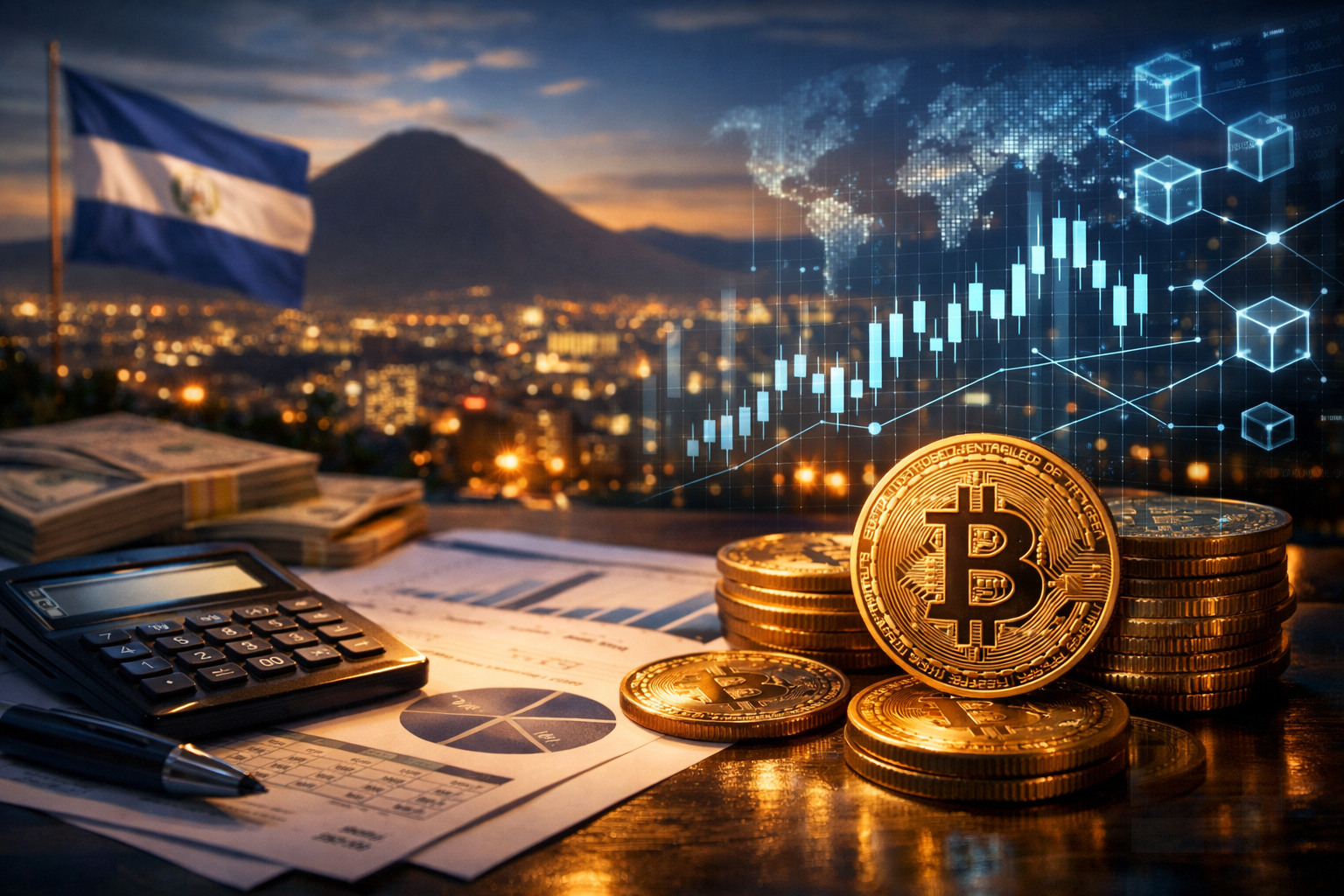

In a recent statement, the International Monetary Fund (IMF) has affirmed that El Salvador’s foray into Bitcoin did not involve any public funds. This announcement comes as a relief to many observers concerned about the financial implications of the country’s bold cryptocurrency strategy.
El Salvador, under President Nayib Bukele, made headlines in 2021 by becoming the first nation in the world to adopt Bitcoin as legal tender. This decision, while celebrated by crypto enthusiasts, raised eyebrows among international financial institutions and analysts, who questioned the potential risks associated with such a radical financial shift.
The IMF’s clarification, made public on September 4, 2026, emphasizes that all investments in Bitcoin were sourced from private funds. This distinction is crucial as it alleviates fears of taxpayers being burdened by potential losses associated with Bitcoin’s notorious volatility.
The announcement coincides with ongoing discussions within the country about the effectiveness of Bitcoin’s integration into the national economy. Critics have pointed to the fluctuating value of Bitcoin and the challenges faced by local businesses in adapting to a cryptocurrency-centric economy. Despite these concerns, the government remains steadfast in its commitment to fostering a digital economy.
President Bukele has consistently defended his administration’s decision, arguing that Bitcoin can empower the unbanked population and promote financial inclusion. In a country where a significant portion of the population relies on remittances, Bitcoin is seen as a potential tool to reduce transaction costs and increase accessibility.
However, the IMF’s remarks also highlight the need for careful management of the associated risks. While private funding may shield the public from immediate financial fallout, the long-term implications of Bitcoin’s integration into the Salvadoran economy remain uncertain.
Moreover, as El Salvador continues to navigate this uncharted territory, the global community watches closely. The outcome of this experiment could influence other nations considering similar paths in cryptocurrency adoption.
As El Salvador’s journey with Bitcoin unfolds, the IMF’s assurance that no public funds were used is likely to impact both domestic and international perceptions of the country’s economic strategies. The clarity provided by the IMF serves as a reminder of the importance of transparency in such innovative financial undertakings.
In conclusion, while the road ahead is fraught with challenges, the IMF’s confirmation may help bolster confidence in El Salvador’s approach to Bitcoin, encouraging further dialogue on the potential for cryptocurrencies in emerging markets.

