

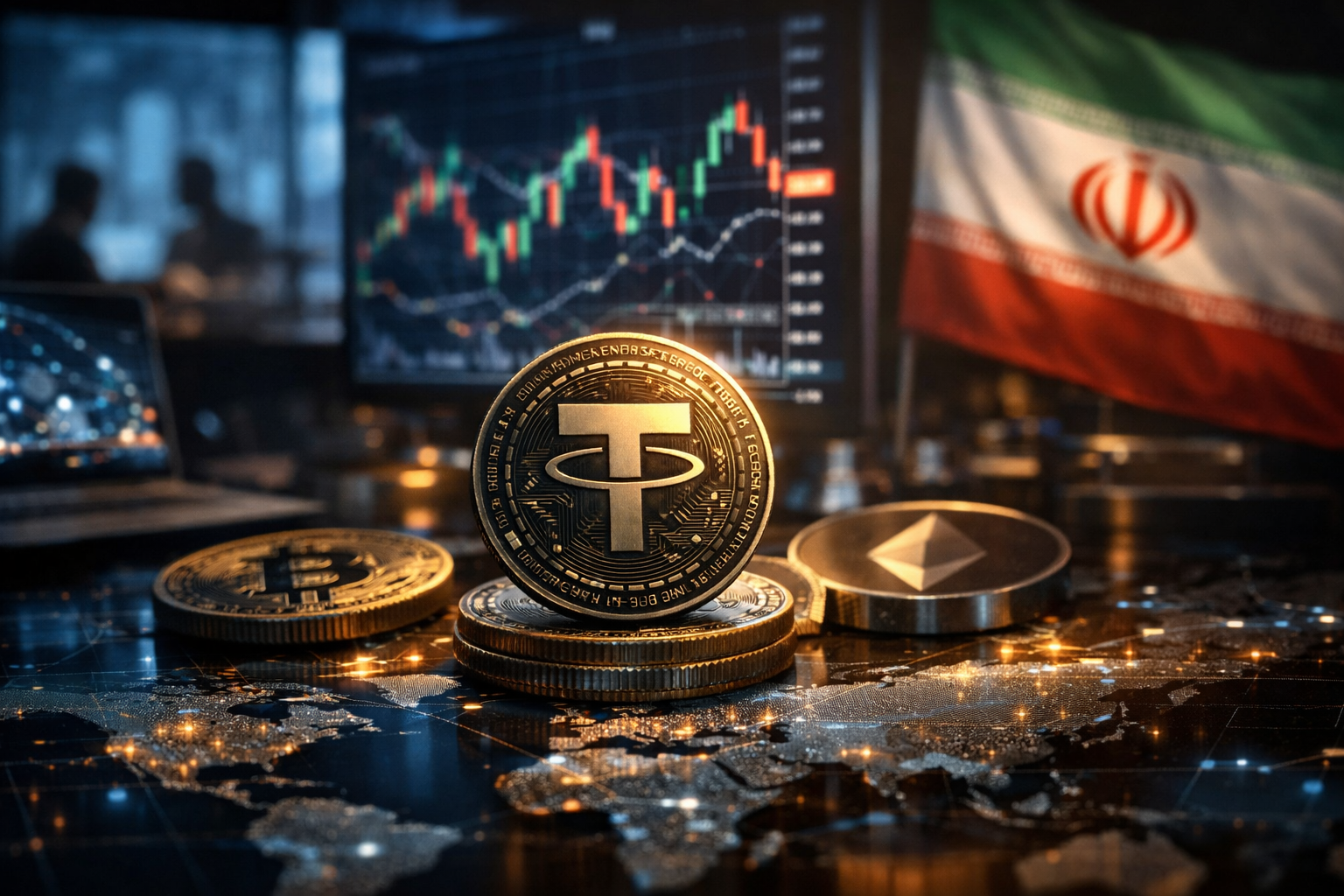

Tether, the issuer of the widely used USDT stablecoin, is facing heightened scrutiny from the U.S. Senate over concerns regarding its potential links to Iran. This development comes amid ongoing worries about the implications of cryptocurrency in international finance and sanctions compliance.
The Senate inquiry, initiated on September 29, 2026, seeks to determine whether Tether has facilitated transactions that could undermine U.S. sanctions against Iran. Lawmakers are particularly focused on the volume of USDT transactions that may have occurred in relation to Iranian entities, raising questions about the stablecoin’s role in circumventing economic restrictions.
As a significant player in the cryptocurrency market, USDT has been a preferred medium for trading and transferring value, often favored for its stability in a volatile market. However, the allegations of its connection to Iran could cast a long shadow over Tether’s operations and its reputation among users and regulators alike.
In recent years, Tether has faced scrutiny over its claims of backing each USDT token with an equivalent amount of U.S. dollars. The lack of transparency regarding its reserves has led to skepticism about the company’s financial practices. Now, with the Senate’s focus shifting to its ties with Iran, the company is under pressure to provide clarity not only on its reserves but also on its transaction policies.
Senators have expressed concerns that cryptocurrencies like USDT could be exploited by sanctioned entities to facilitate trade, undermining U.S. efforts to enforce economic penalties against nations like Iran. The inquiry aims to assess whether Tether’s operations align with the legal frameworks governing financial transactions and international sanctions.
In response to the inquiry, Tether has stated its commitment to compliance with all applicable laws and regulations. The company asserts that it conducts thorough due diligence to ensure that its services are not used for illicit purposes. However, the ongoing investigation may compel Tether to adopt stricter measures to ensure compliance and restore confidence among its users.
The implications of this scrutiny extend beyond Tether itself. As governments worldwide grapple with the regulation of digital currencies, the findings of this inquiry could lead to more stringent oversight of stablecoins and their issuers. This could alter the landscape of cryptocurrency trading and affect the use of stablecoins in global commerce.
As the situation develops, the crypto community is watching closely to see how this inquiry will impact Tether and the broader market. The potential fallout from the Senate’s investigation could set precedents for how stablecoins are regulated and monitored in the future.

