

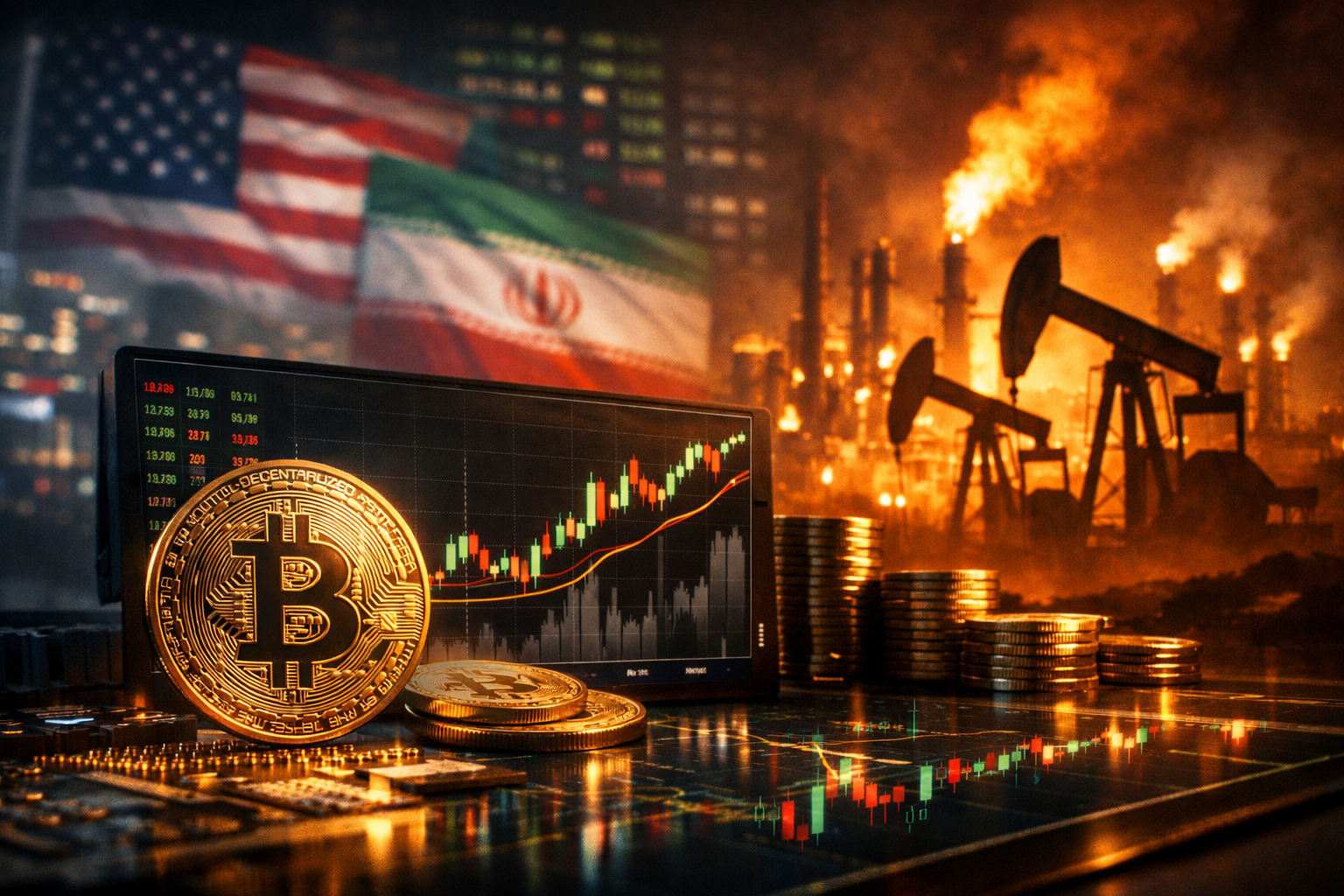

In a surprising turn of events, Bitcoin has demonstrated remarkable resilience as geopolitical tensions escalate between the United States and Iran. On August 31, 2026, the U.S. government announced new sanctions against Iran, a move that sent oil prices soaring while exerting downward pressure on stock markets.
The sanctions, intended to curb Iran’s influence in the region, have created ripples in global markets. Crude oil prices jumped significantly, reflecting concerns over potential supply disruptions, while major stock indices dipped, reflecting investor anxiety about the implications of escalating conflict.
In stark contrast to the traditional markets, Bitcoin has barely flinched. The leading cryptocurrency has maintained its value, trading within a narrow range despite the backdrop of geopolitical uncertainty. Analysts suggest that Bitcoin’s inherent characteristics as a decentralized asset may be shielding it from the same volatility affecting conventional markets.
Market sentiment around Bitcoin has been increasingly positive, with many investors viewing the cryptocurrency as a safe haven in times of crisis. This perception has been supported by Bitcoin’s previous performance during periods of economic instability, where it often acts as a hedge against traditional market downturns.
While oil prices surged, reaching levels not seen in recent months, Bitcoin’s stability has drawn attention from both retail and institutional investors. This dichotomy between Bitcoin and traditional assets underscores a growing trend among investors who are seeking alternative assets in response to rising inflation and geopolitical risks.
Furthermore, Bitcoin’s network fundamentals continue to strengthen, with hash rates reaching all-time highs and adoption rates increasing globally. This solid foundation may contribute to its resilience, as more investors recognize the long-term potential of cryptocurrency in a rapidly changing financial landscape.
As the situation in the Middle East develops, market participants will be watching closely to see if Bitcoin can maintain its current trajectory. Will Bitcoin’s stability hold in the face of further geopolitical shocks, or will it eventually succumb to the broader market trends? Only time will tell, but for now, Bitcoin remains a beacon of stability amidst the turmoil.
With ongoing discussions around regulation and adoption on the rise, Bitcoin’s future looks increasingly promising. Investors are encouraged to keep a close eye on developments, as the interplay between global events and cryptocurrency markets continues to evolve.

